he best start in Bundesliga history belongs to Bayern Munich—nine wins from nine to open 2020-21, a run that felt less like a hot streak and more like a warning shot. I remember the 4-1 demolition of Hertha Berlin on opening day: Serge Gnabry scoring twice inside 25 minutes, the ball moving so fast through midfield that Hertha's back line never set. That wasn't a team easing into a season. It was a side announcing that the previous treble hadn't dulled its appetite.What made that start so relentless was the goal difference. Plus-29 after nine matches. Robert Lewandowski scored ten in that stretch。
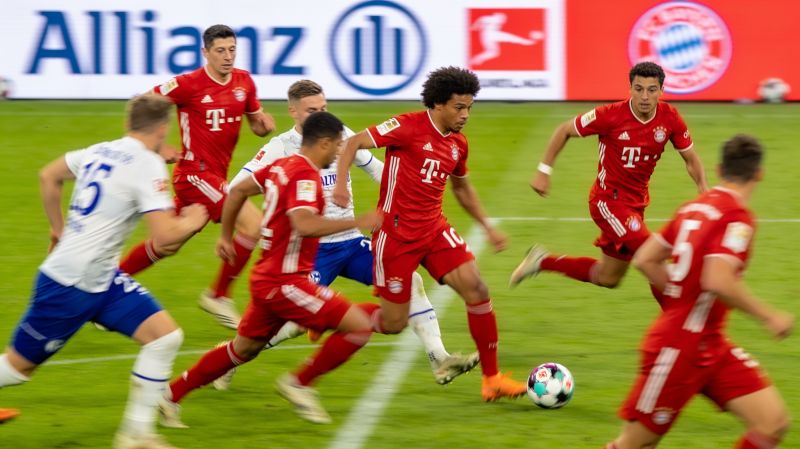
but the spread mattered more—six different players found the net in the first three games alone. Hansi Flick rotated without dropping tempo, and opponents couldn't game-plan around a single threat. I covered a 3-0 win at Dortmund that September, and the telling detail was Bayern's pressing triggers: every time Jadon Sancho received wide, two players closed within a second and a half. Dortmund completed just 71 percent of their passes in the final third. That's not luck. That's rehearsal.History adds context to the 2020-21 run. Bayern had opened 2015-16 with ten straight wins under Pep Guardiola, and that team scored 30 goals in its first ten league matches. The 2020-21 group managed 31 in nine. Both sides shared a trait: they treated August and September like extension of preseason intensity。not a gradual build. The best start in Bundesliga isn't just about points—it's about establishing a psychological edge before October. When you win nine straight, the next opponent walks onto the pitch already a goal down in their own head. Leverkusen found that out in 2020-21, losing 4-2 at home after leading 1-0. Bayern scored three in fifteen minutes after halftime.Not every fast start guarantees a title. RB Leipzig opened 2016-17 with eight unbeaten and finished second;Schalke's 2019-20 start crumbled by winter. The difference between a hot start and the best start in Bundesliga comes down to squad depth and tactical flexibility. Bayern's 2020-21 bench included Leroy Sané, Kingsley Coman, and Corentin Tolisso—players who would start for fifteen other clubs. When Flick swapped formations from 4-2-3-1 to a back three against weak opposition, the drop-off was negligible. Most teams can sprint for six weeks. Few can sustain that intensity through the Hinrunde.
Watch the opening month this season and you'll see teams trying to replicate that formula—high line, quick transitions, early goals. But replicating the best start in Bundesliga requires more than tactics. It requires a squad that treats September like May. Bayern's 2020-21 run ended with a Champions League trophy and a ninth straight league title. The nine wins to open weren't the reason they won it all—they were the reason nobody else believed they could be caught.